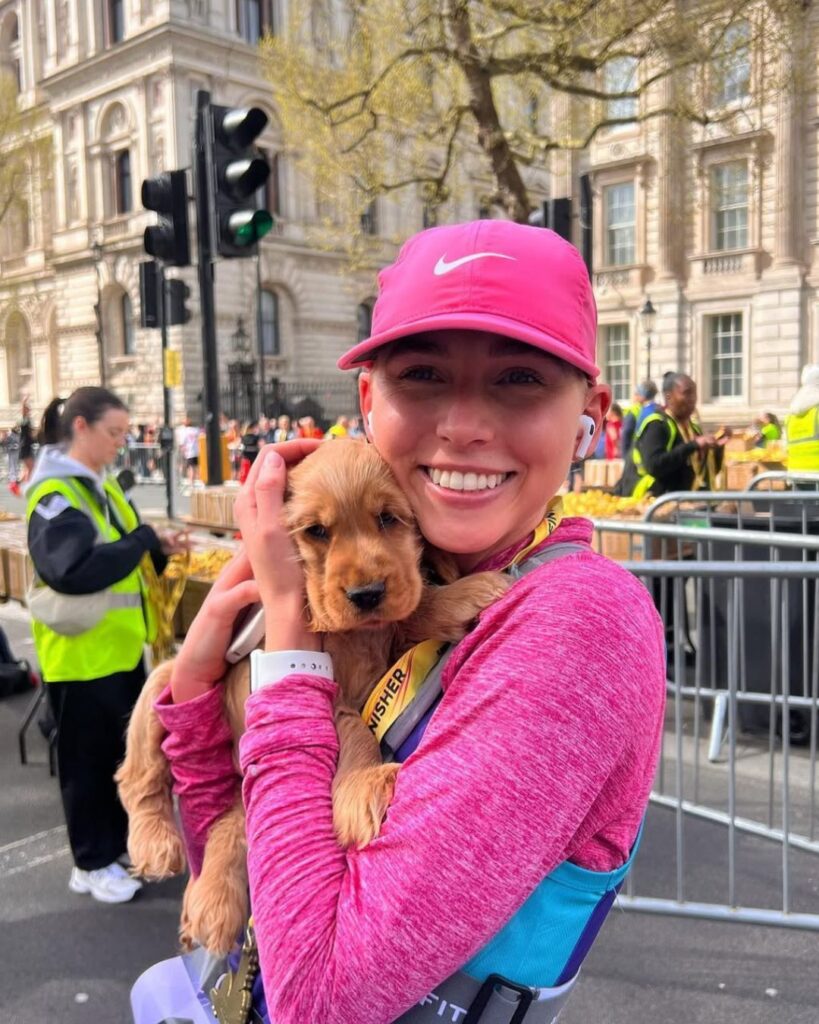
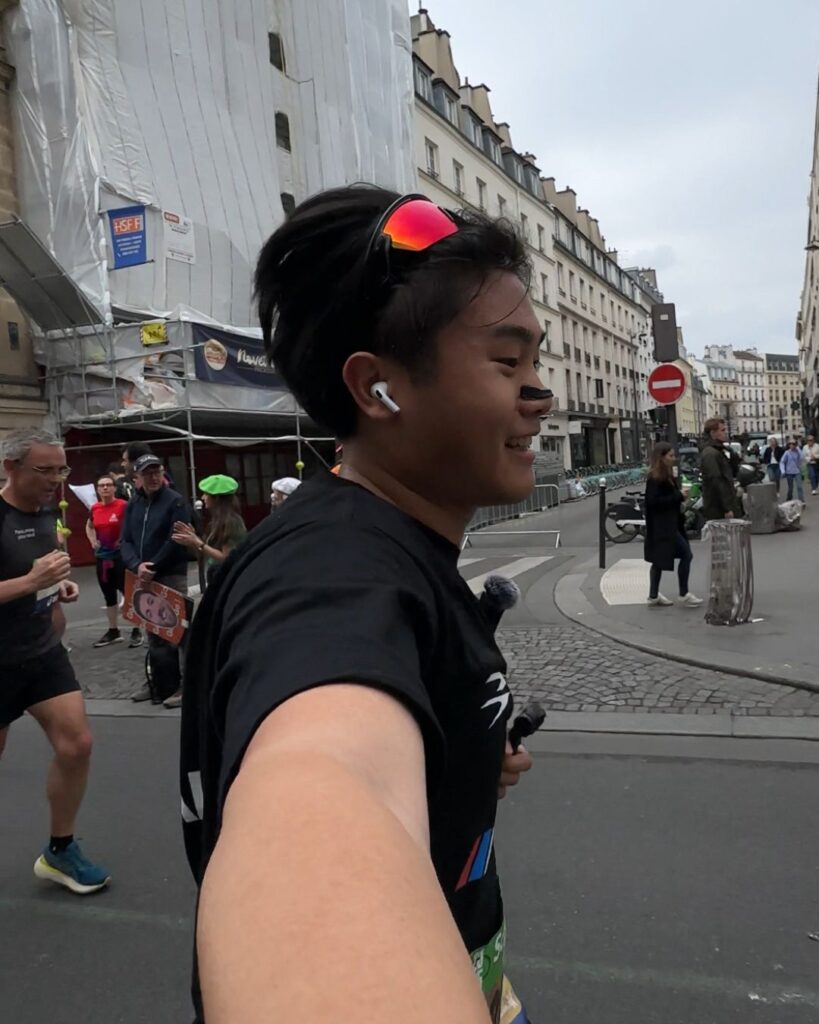
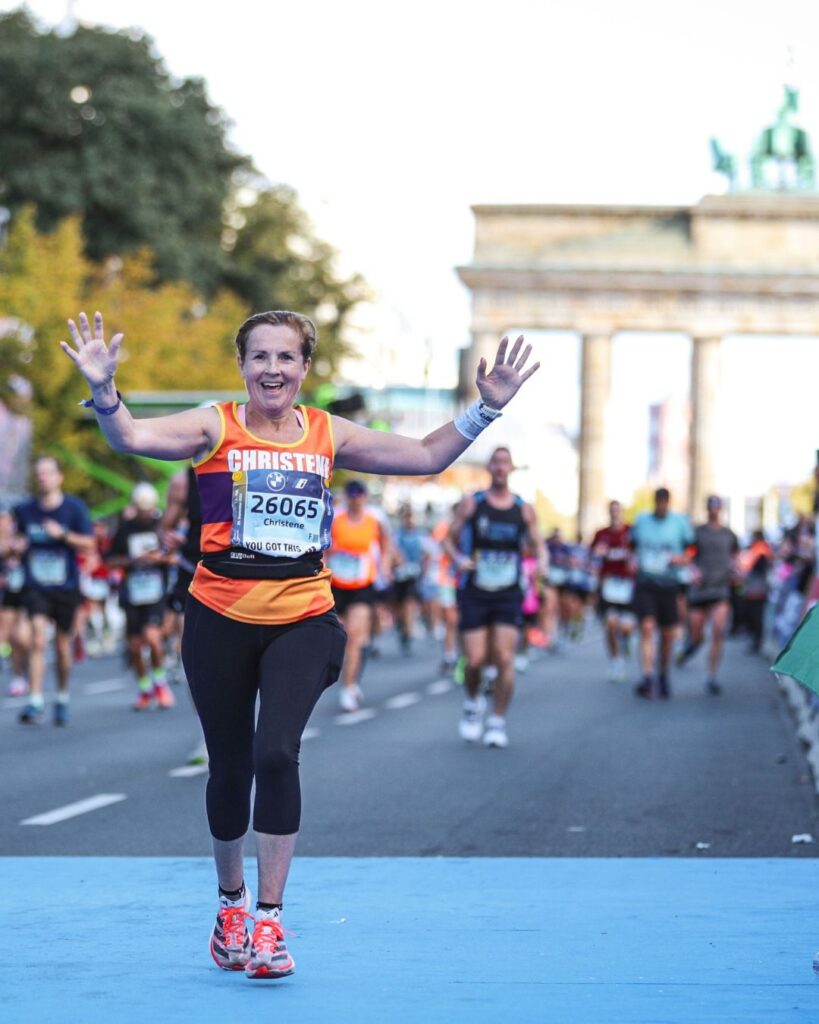
We celebrate the finish line, the medal, the time on the clock. But what happens in the marathon recovery is just as important as the race itself.
Running 42.2 kilometres places an immense physiological load on the body, from muscular microtrauma and joint stress to nervous system fatigue and systemic inflammation. While training prepares you for performance, recovery determines how well your body repairs, adapts and comes back stronger. So, beyond simply completing the race, optimising recovery is your real superpower for long-term performance, resilience and overall health.
What happens to your body after a marathon?
Marathon running is not just a cardiovascular challenge; it is a full-body stress event. Prolonged exertion leads to muscle fibre breakdown, depletion of glycogen stores, elevated cortisol levels and increased inflammatory responses.
Without proper recovery, these effects can accumulate, increasing the risk of injury, prolonged fatigue and reduced future performance.
Why marathon recovery is essential for performance and health
Effective recovery supports the restoration of muscle tissue, the rebalancing of the autonomic nervous system, and the reduction of inflammation. It is during recovery, not training, that the body adapts and becomes stronger.
Prioritising structured recovery strategies can enhance circulation, improve sleep quality, regulate stress responses and accelerate the return to optimal physical function.
Advanced marathon recovery methods: why bio stacking matters
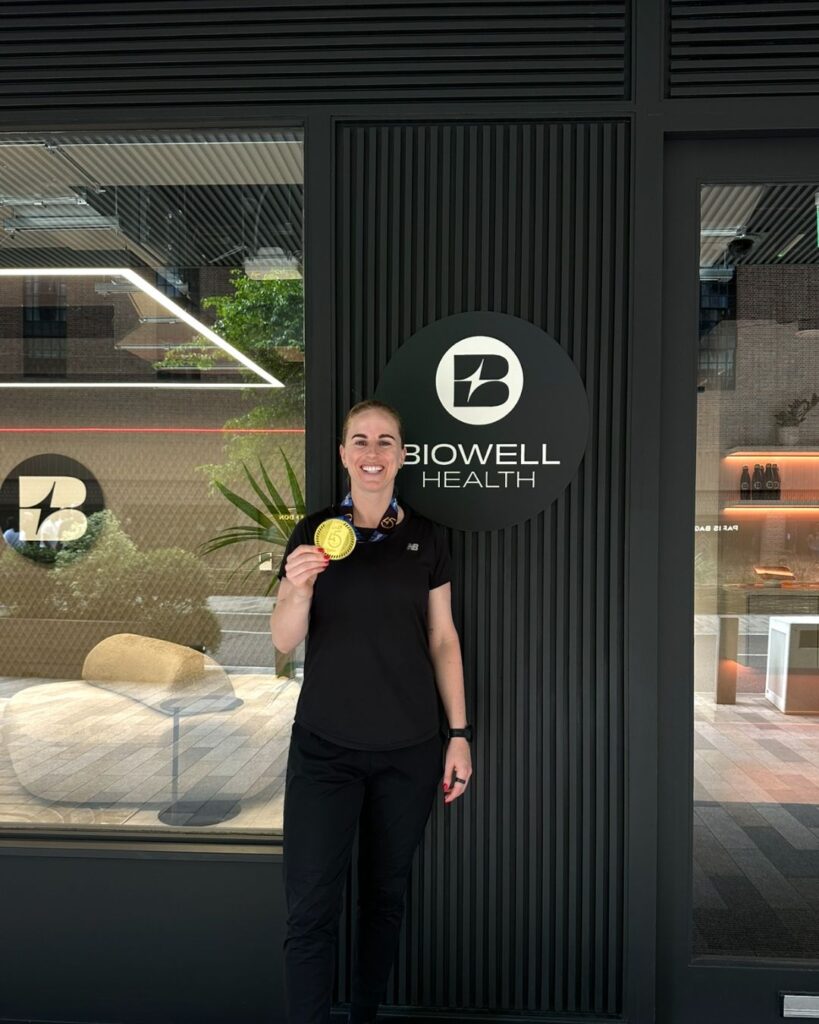
Why does recovery-focused Bio-Stacking at Biowell Health matter? Post-marathon recovery is not a single action; it is a layered process. While rest and nutrition are essential, targeted therapies can significantly accelerate and enhance the body’s natural repair mechanisms.
This is where bio-stacking at Biowell Health plays a critical role, combining multiple evidence-informed interventions to support faster, more efficient recovery.
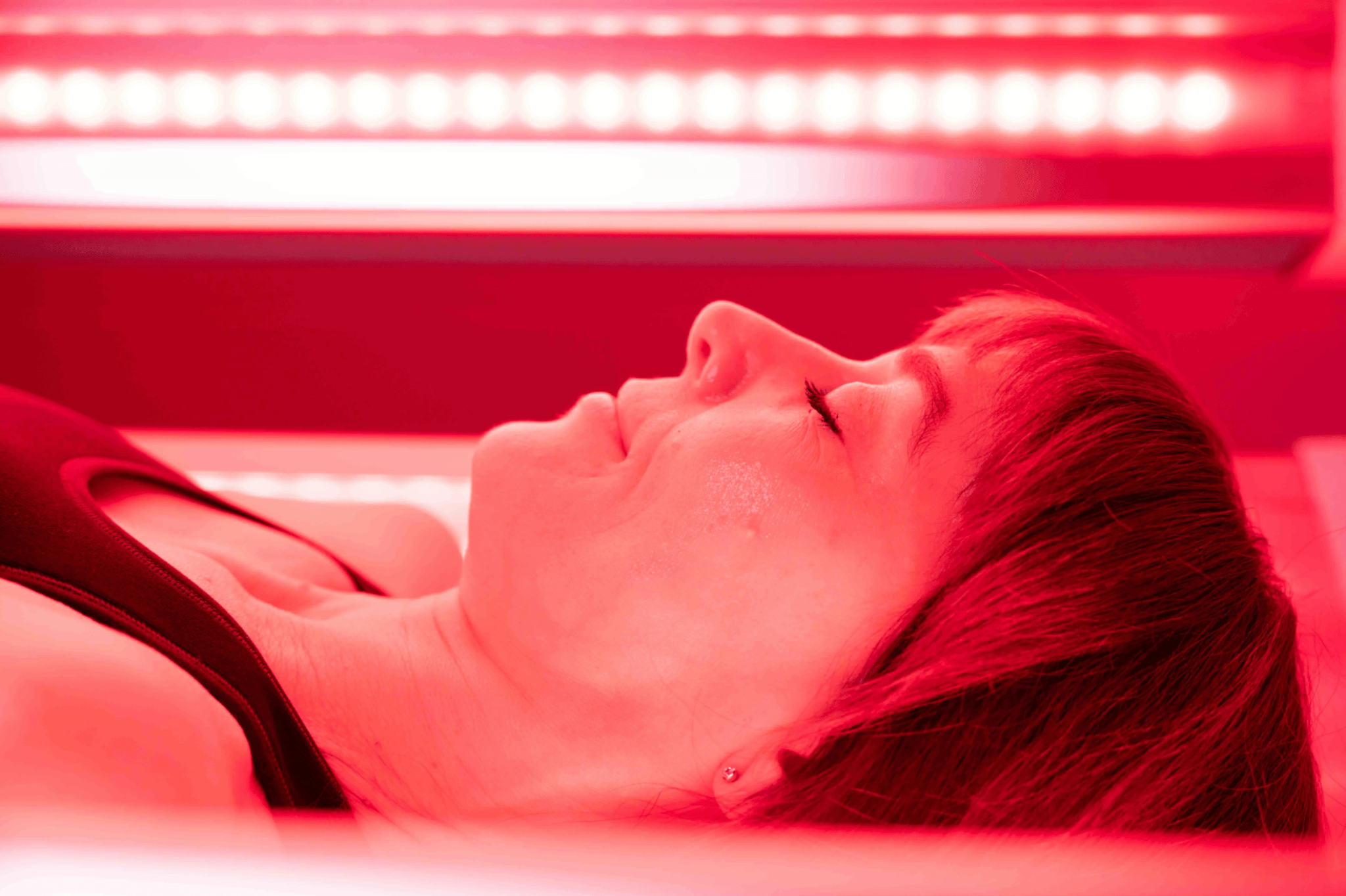
Red light therapy for muscle recovery
Red light therapy supports mitochondrial function and cellular energy production, helping accelerate muscle repair and reduce inflammation following intense endurance exercise. By enhancing tissue regeneration and circulation, it promotes faster recovery and reduces post-race soreness.
Hyperbaric oxygen therapy for post-marathon recovery
HBOT increases oxygen delivery to tissues, supporting healing at a cellular level. This enhanced oxygenation helps repair damaged muscle fibres, reduce inflammation and improve recovery time after prolonged exertion. It also supports vascular health and overall physical restoration.
Cryotherapy to reduce inflammation and soreness
Whole-body cryotherapy provides an immediate anti-inflammatory response, helping reduce muscle soreness, swelling and fatigue after a marathon. The cold exposure also stimulates circulation and supports nervous system recovery, promoting a faster return to baseline performance.
Compression therapy for circulation and muscle repair
Compression therapy enhances venous return and lymphatic drainage, helping to flush metabolic waste and reduce muscle stiffness. This supports faster recovery, decreases swelling and improves overall circulation following long-distance running.
PEMF therapy for cellular recovery
Pulsed Electromagnetic Field therapy supports cellular repair and reduces inflammation at a deeper level. Enhancing recovery processes and improving circulation helps restore balance within the body and supports efficient healing post-race.
IHHT for energy restoration and endurance recovery
IHHT supports recovery by improving oxygen utilisation and mitochondrial efficiency. Following endurance events, this helps the body restore energy systems more effectively, reduce fatigue and enhance overall resilience for future performance.
From finish line to full recovery
From Finish Line to Full Recovery. At Biowell Health, recovery is treated as an essential phase of performance, not an afterthought. By combining advanced therapies such as red-light therapy, HBOT, cryotherapy, compression, PEMF, and IHHT, runners can move beyond passive rest and actively support the body’s repair processes.