THE INJURY
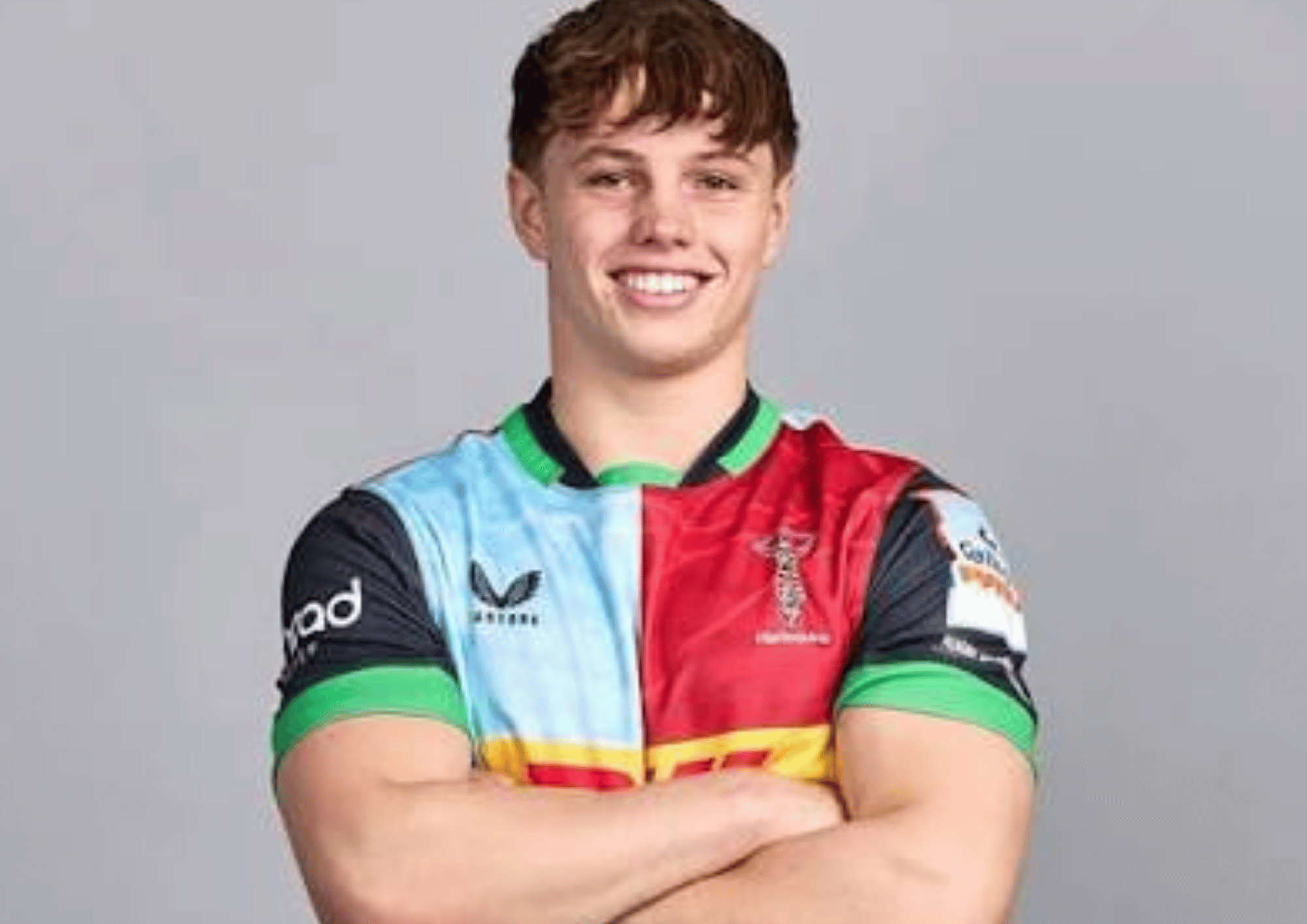
Lucas Friday was playing for England U20s against Scotland at Kingston Park when he’d made a support line, taken the ball off Jack Bracken, and found himself in a promising 1-on-1. As he tried to step off his right foot, it caught in the ground.
“At the time the physios didn’t tell me anything really,” Lucas recalls. “All I remember is one of the physios saying ‘Code Red’ on the pitch. I asked to stay on, but obviously they said no.” He was fitted with a brace, handed crutches, and led off, unsure himself whether he’d done any real damage. In the meantime, he sat in the changing room while his teammates played on, caught between hope and worry. “I ended up walking off the pitch after doing it, so I felt maybe a bit of hope that maybe it wasn’t as serious as it was.”
The confirmation came later, over the phone, after his scan: a ruptured ACL. Doctors told him he’d likely be out for 12 months.
“That was tough news to take,” he says. “But it also gave me a bit of motivation. I’d seen loads of people come back before, so that was a real driver, since he knew hard work could get him in a better position.”
SURGERY AND THE HARDEST WEEKS
Lucas underwent ACL reconstruction using a hamstring graft, carried out by surgeon Andy Williams. “The surgeon and everyone at Quins filled me with confidence that it’ll be okay,” he says. “He was great in explaining the situation to me, and how the surgery would go about. I had a lot of trust in him, so I knew I was going to be alright.”
The first couple of weeks afterward were, in his words, the toughest part of the whole process. “I’m usually always doing something every day, so being pretty much bedbound was probably the toughest part for me to begin with.”
The early stages of rehab brought their own particular frustration: the sense of standing still. “For me, the start is always the hardest. You feel like you’re not making any progress for the first three to four weeks, so you need little goals to keep you motivated and consistent.”
Later, around the seven-to-eight-month mark, a different kind of low point set in, not physical but mental. “I felt like at that point I could play. I got frustrated because I felt ready, even though I wasn’t, and that was hard to deal with, knowing he wasn’t being allowed to move along quicker.”
The TEAM BEHIND THE COMEBACK
Lucas is quick to credit the people who got him through it, starting with his physios at Quins. Paula Timpson worked with him through rehab every single day. “She was always there to go through rehab with me… it was also nice to have someone to have just normal conversations with, as injuries can be quite a lonely process whilst everyone trains.” Rehab physio Alex Barnard pushed him through running, gym work, and testing alongside other injured teammates. “They were both probably sick of me by the end of it, but I’m incredibly grateful I had them and everyone else through the process.”
Family played just as big a role. Lucas’s dad and brother had both been through ACL reconstruction themselves, so they understood exactly what he was facing, including the early-morning ice baths his dad made sure he never skipped. “He also made me realise little wins are the most important things,” Lucas says. His girlfriend, Lauren, was going through her own ACL recovery after a Netball injury at the same time, and the two trained together. “It was nice to have someone to relate to who is in the same position as you.”
Throughout it all, Quins’ medical team and Biowell worked hand in hand. “Biowell had everything I needed to allow me to recover well and heal better and quicker post rehab sessions.”
FINDING BIOWELL
Lucas first heard about Biowell through his dad’s connection with Scrivs, alongside plenty he’d seen online and heard from other players who’d used the facility. He’d never used recovery equipment like it before, but decided to give it a go.
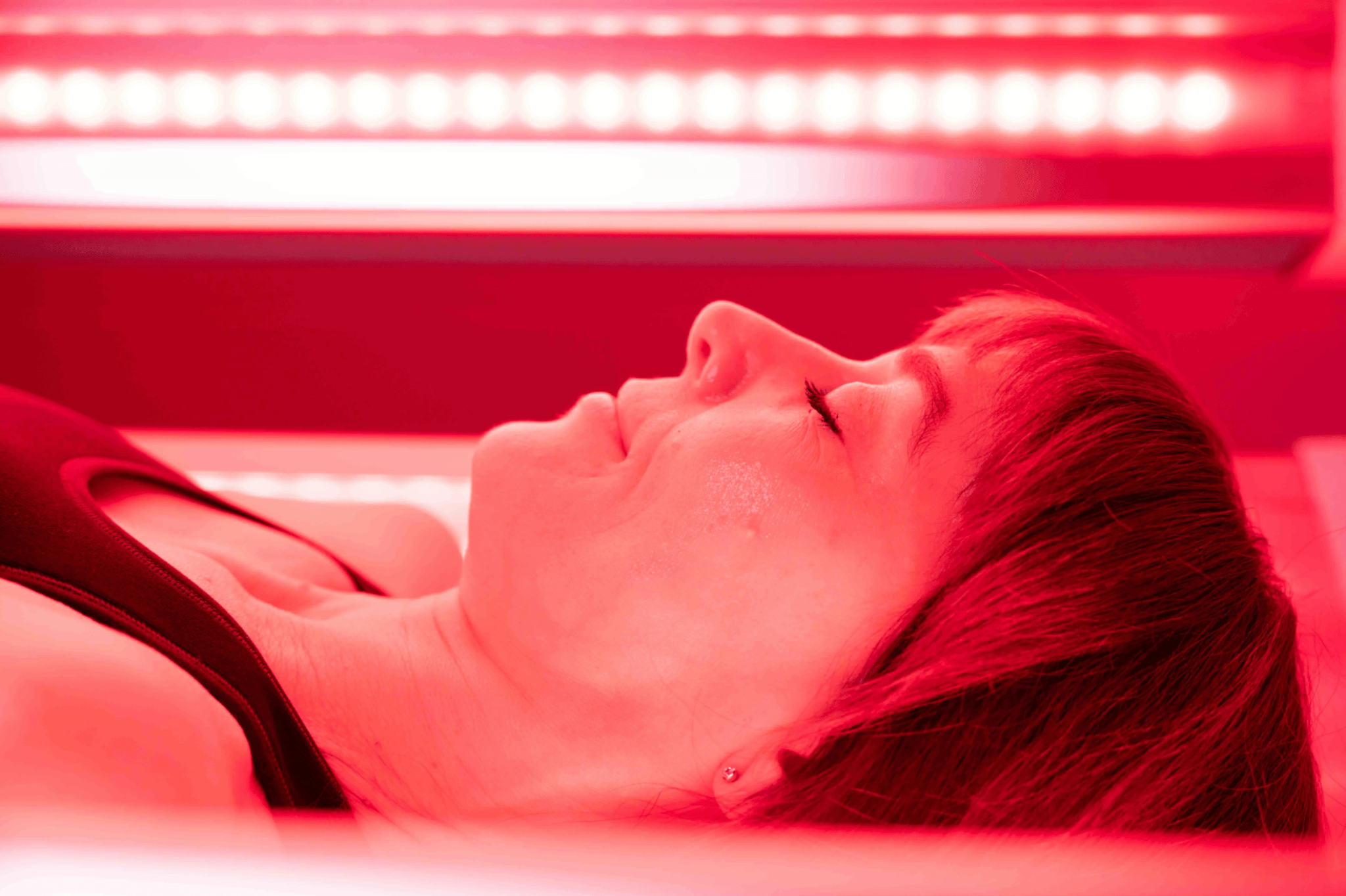
His week took shape around it: physio and rehab at Quins during the day, an hour and a half in the HBOT chamber daily, then sessions at Biowell rotating through compression, HBOT, the cryochamber, and red-light therapy, every week, without fail.
“The HBOT accelerated my graft healing, as well as the other equipment helping with my muscle recovery, and it was a big part of getting myself back quicker than I was previously told,” he says. “It also allowed quicker muscle recovery so I could push myself harder for my next rehab session.”
What stood out most, though, was how it complemented the work he was already putting in. “It was purposeful and allowed me to create a good recovery routine for me, which meant I started to see changes rapidly. The packages they have were tailored towards what I needed to recover.”
The SMALL WINS
Recovery wasn’t linear, and Lucas tracked progress in small, hard-won markers:
- Swelling: Persistent fluid buildup meant repeated injections to drain his knee, an issue that only eased with time and gradual movement.
- Movement: He began walking without crutches around the three-to-four-week mark, though full bend range took several months of steady, measurable weekly progress to return.
- Running: His first jog came around five months in. “Such a weird feeling and quite daunting… but it was a big stage in my development where I felt like progress was really starting to show.”
- Confidence: Genuine confidence in the knee followed a couple of months of running, buoyed by the people around him.
Throughout, one target kept him focused: the U20 Six Nations, ten months post-surgery. Against a 12-month prognosis, it felt like a stretch, but it became the goal that shaped everything.
The COMEBACK
Nine months after surgery, three ahead of the original 12-month timeline, Lucas made his return, coming on for 20 minutes against the Scarlets and scoring a try. “Just to get through the game built up my confidence… to be able to get myself back on the field was great, and made all the work to get myself back worth it.”
That performance opened the door to selection for the U20s Six Nations. Since then, Lucas has gone on to play in the Premiership and Champions Cup, picking up several starts along the way. “I’d say I’m probably performing at a higher standard to what I was pre-injury,” he says, with continued physical development still very much a work in progress.
LOOKING BACK
The main thing its taught me is perspective. At the start it probably feels like the end of the world, and you feel like everything has been stripped away from you, however, it provides you so many opportunities in other areas of the sport. You can turn your attention to nutrition, strength training, watching and learning from the best players, there’s so many other areas outside of the pitch to make you better. I remember watching a lot of Cam Roigard and Jamison Gibson Park clips on the way they play. Taking things from their game to add to yours, is a big driver to improvements in your game and skill level. Now you see where they are now, one of the best 9s in the world. It also teaches you mental strength and resilience. Watching your team-mates playing, fear that you might come back weaker than before, the volume of setbacks, theres so many things that are difficult and mentally draining, but the ability to remain patient and disciplined no matter what, will get you far. Most days the rehab, especially early on, is not very motivating, and can be boring, but staying disciplined in what you’re doing and getting the most out of the day when your’e in the training building is essential.
If my teammate did their ACL tomorrow, I’d tell them to lean on the support around you. The injury is tough itself, but doing it alone is even harder. Theres also someone who’s probably been through the same thing or will listen and try to support you. I would also say, like before, to think of it as an opportunity to better every other area of your game, so that when you do come back, you’re not falling behind, but instead you’ve learnt and worked hard on everything else which will translate onto the pitch.
Probably said it before, but Paula Timpson and Alex Barnard at Quins looked after me the entire time, and im very grateful for the time they put in to getting me back. My Mum, Dad, Brother, Grandparents and my girlfriend, also supported me through it all, as well as finding the balance on being harsh on me to get all my stuff done at the same time. The good thing about the environment as well, is that there’s also other lads going through the same thing, Luke Northmore, James Chisholm and Ben Waghorn had also long term injuries, and to have such experienced players to help me through the process was valuable, especially Luke, where we’d do the majority of gym sessions together, where he’d push me all the time to get better and better. I want to thank Biowell as well, especially Scrivs, for giving me opportunity to come to Battersea to use the equipment every week, and what in return allowed me to get back as quick as i did. The staff were very welcoming, and helpful, especially Mia, who took me round the equipment, and explaining what they did before i used them. Without this, I’d definitely find it harder to recover quickly in time for my next session to push myself every week.
Looking ahead, Lucas says: “I’m excited and ready for the next opportunities that come, and not taking any one I get for granted.”