We track our sleep, steps, workouts and recovery, but one of the most useful indicators is heart rate variability, which measures how the body is coping with daily life, and often receives far less attention.
Heart Rate Variability, or HRV, provides insight into how well your body adapts to physical activity, stress, recovery and everyday demands. Found on many wearable devices, HRV has become an increasingly discussed metric within health, fitness and longevity circles.
Unlike resting heart rate, which measures how many times your heart beats per minute, HRV looks at the variation in time between each heartbeat. These small changes can provide valuable information about how your nervous system is functioning and how adaptable your body is to changing demands.
What is Heart rate variability?
Heart Rate Variability refers to the variation in time between consecutive heartbeats.
Although many people assume the heart beats at perfectly regular intervals, this is not actually the case. A healthy heart constantly adjusts its rhythm in response to internal and external influences.
HRV reflects the interaction between two branches of the autonomic nervous system:
The sympathetic nervous system
Often referred to as the body’s “fight or flight” response, this system helps prepare the body for action by increasing alertness and mobilising energy.
The parasympathetic nervous system
Often called the “rest and digest” system, this branch supports recovery, relaxation and restoration.
Together, these systems work continuously to help the body respond to physical, emotional and environmental demands throughout the day.
The greater the variation between heartbeats, the more adaptable the nervous system is generally considered.
Why does Heart Rate Variability matter?
HRV is often used as a marker of how well the body responds to stress and recovers.
Many factors can influence HRV, including:
- Sleep quality
- Physical activity
- Psychological stress
- Illness
- Nutrition
- Alcohol consumption
- Hydration
- Recovery habits
Research has linked higher HRV with improved adaptability to stress, cardiovascular health and overall well-being. Rather than focusing on a single reading, it is often more useful to look at trends over time.
A temporary drop in HRV may occur after a poor night’s sleep, a demanding workout, illness or a particularly stressful period. Likewise, positive lifestyle habits may support healthier HRV patterns over the long term.
If you are prone to congestion during summer, it may be worth considering:
- Cleansing after exercise or excessive sweating
- Choosing skincare products suited to your skin type
- Removing makeup thoroughly at the end of the day
- Avoiding harsh scrubs that can irritate the skin barrier
Consistency is usually more helpful than constantly changing products in response to short-term flare-ups.
HRV and recovery
Recovery is about much more than taking a day off from exercise.
The body is constantly adapting to physical activity, work demands, travel, sleep patterns and everyday stressors. Recovery allows these systems to return to balance.
This is one reason HRV has become popular among athletes, health enthusiasts and individuals interested in understanding their wellbeing more deeply.
Many people use HRV data alongside other health markers to better understand how their bodies respond to training, work, travel, and lifestyle demands.
Can you improve Heart Rate Variability?
There is no single strategy that improves HRV for everyone.
HRV responds to a wide range of factors, many of which are interconnected.
Lifestyle habits that may support overall health and recovery include:
- Prioritising consistent sleep
- Regular physical activity
- Stress management
- Good nutrition
- Staying hydrated
- Building recovery into busy schedules
The goal is not necessarily to achieve the highest possible HRV score. Instead, it is about supporting the systems that contribute to overall well-being.
Therapies people explore alongside healthy recovery habits
Alongside healthy lifestyle habits, some individuals choose to explore wellness therapies as part of their wider approach to recovery and wellbeing.
Red Light Therapy
Recovery and nervous system health are influenced by many factors, including sleep, movement, stress management and overall wellbeing.
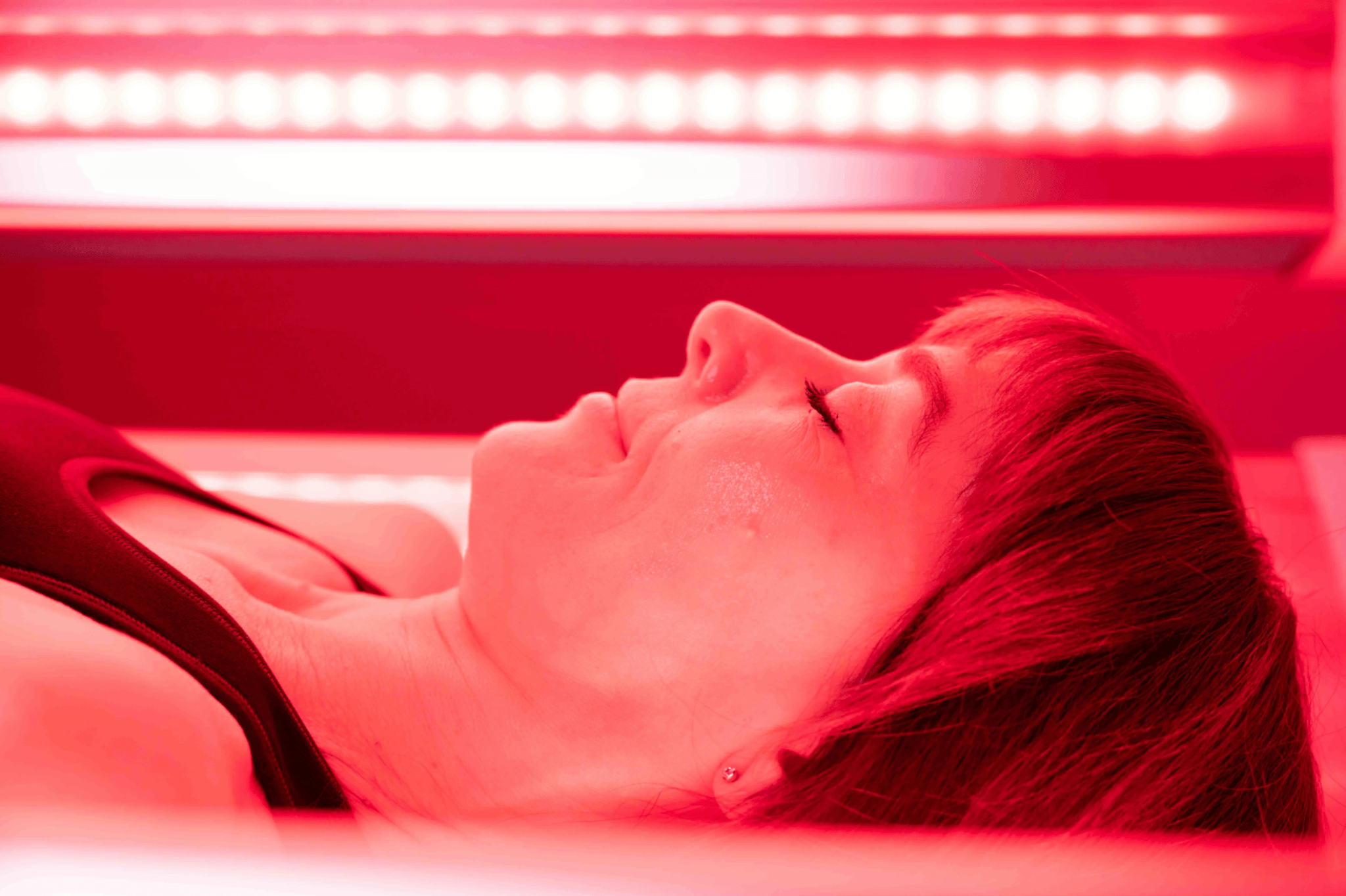
Alongside these healthy habits, some individuals choose to explore Red Light Therapy as part of their wider wellness routine.
Red Light Therapy is available at Biowell Health following consultation and suitability assessment.
Hyperbaric Oxygen Therapy
Recovery is influenced by a combination of lifestyle habits, physical activity, nutrition and rest.
Alongside these foundations, some individuals choose to explore Hyperbaric Oxygen Therapy as part of their wider wellbeing routine.
HBOT has gained increased attention within the longevity and wellbeing space in recent years, including from entrepreneur Bryan Johnson, who has publicly discussed incorporating the therapy into his personal health protocol.
Hyperbaric Oxygen Therapy involves breathing oxygen in a pressurised environment and is available at Biowell Health following consultation and suitability assessment.
Cryotherapy
Cryotherapy involves brief exposure to very cold temperatures.
It is increasingly incorporated into wellness and recovery routines and is often chosen by individuals seeking to support their broader well-being.
Compression Therapy
Compression Therapy uses controlled pressure around the lower limbs and is commonly chosen by people seeking comfort and relaxation after travel, exercise, or long periods of sitting.
Because the treatment focuses on the legs, it is often of interest to people who experience temporary heaviness or puffiness after travel.
PEMF Therapy
Pulsed Electromagnetic Field Therapy, commonly known as PEMF, is explored by some individuals as part of their wider approach to recovery and wellbeing.
PEMF therapy is available at Biowell Health following consultation and suitability assessment.
Intermittent Hypoxic Hyperoxic Training (IHHT)
IHHT involves controlled cycles of lower and higher oxygen availability and is often incorporated into broader wellness programmes.
Some individuals choose to explore IHHT as part of their wider health and wellbeing routine.
Looking beyond the numbers
HRV can be a useful tool for understanding how the body responds to everyday demands.
While no single metric can provide a complete picture of health, tracking trends over time may offer valuable insight into recovery, stress and overall well-being.
As wearable technology becomes more widely used, HRV is likely to remain an increasingly important part of the conversation around health, performance and longevity.