Many people notice changes in their skin health during the summer months.
For some, skin becomes oilier and more prone to breakouts. Others find their skin feels dehydrated, sensitive or develops patches of pigmentation that seem darker than usual. Even those with a consistent skincare routine can find their skin behaves differently when temperatures rise.
Summer brings a unique combination of factors that can influence skin health. Increased sweating, higher UV exposure, travel, disrupted routines and changes in hydration can all play a role.
Understanding why these changes happen can help you make informed decisions about your skincare and wider wellbeing.
Why skin behaves differently during summer
Your skin works hard to regulate body temperature.
When temperatures increase, sweat glands become more active. This helps cool the body, but it can also leave skin feeling oilier and more congested than usual.
Many people spend more time outdoors during summer, increasing exposure to sunlight, pollution and environmental stressors. Holidays can also mean changes in sleep, diet and hydration habits.
These factors do not affect everyone in the same way. Someone with naturally oily skin may experience more congestion, while someone with sensitive skin may notice increased irritation or discomfort.
Sweat, SPF and clogged pores
One of the most common summer complaints is feeling like sweat causes breakouts.
In reality, sweat itself does not clog pores.
The issue often comes from a combination of sweat, excess oil, dead skin cells and bacteria sitting on the skin’s surface. When these factors combine, pores can become congested.
Sunscreen can sometimes add to this feeling. While SPF remains one of the most important steps in any skincare routine, some formulations may feel heavier on certain skin types.
If you are prone to congestion during summer, it may be worth considering:
- Cleansing after exercise or excessive sweating
- Choosing skincare products suited to your skin type
- Removing makeup thoroughly at the end of the day
- Avoiding harsh scrubs that can irritate the skin barrier
Consistency is usually more helpful than constantly changing products in response to short-term flare-ups.
The link between dehydration and skin health
Hot weather increases fluid loss through sweating.
Add travel, alcohol, air conditioning and long days outdoors, and many people become mildly dehydrated without realising it.
Dehydrated skin can feel tight, rough or uncomfortable. Some people notice fine lines appear more visible, while others experience increased sensitivity.
It’s important to understand that dry skin and dehydrated skin are not the same thing.
Dry skin lacks oil.
Dehydrated skin lacks water.
Even people with oily skin can experience dehydration during summer.
Supporting hydration through adequate fluid intake, regular meals and sensible sun exposure may help support overall skin function.
Understanding pigmentation and melasma
Pigmentation concerns often become more noticeable during summer.
Pigmentation occurs when the skin produces excess melanin, the pigment responsible for skin colour.
Sun exposure is one of the most common triggers.
Melasma is a common pigmentation condition that often appears as darker patches on the face, particularly across the cheeks, forehead and upper lip. It can be influenced by hormones, genetics and UV exposure.
Many people notice that melasma becomes darker during the summer months, even when they spend relatively little time in direct sunlight.
This is because UV radiation can stimulate melanin production, making existing pigmentation more visible.
Daily sunscreen use remains one of the most important ways to help protect the skin from UV-related damage.
Supporting skin health during summer
Summer skincare does not need to be complicated.
Small, consistent habits often make the biggest difference.
Consider:
- Wearing SPF daily
- Staying hydrated throughout the day
- Seeking shade during periods of intense sun
- Cleansing gently after sweating
- Prioritising sleep and recovery
- Maintaining a balanced diet
It’s also worth remembering that skin health is influenced by more than just topical products. Sleep, stress, hydration, nutrition and overall well-being all play a role in how skin looks and feels.
Looking beyond skincare products
Skincare products play an important role in maintaining skin health, but they are only one part of the picture.
Factors such as sleep, stress, hydration, nutrition and overall well-being can also influence how skin looks and feels. This is why some people choose to take a broader approach to skin health.
At Biowell Health, this may include exploring therapies commonly discussed in relation to skin appearance, recovery, and general well-being.
Red Light Therapy FOR SKIN HEALTH
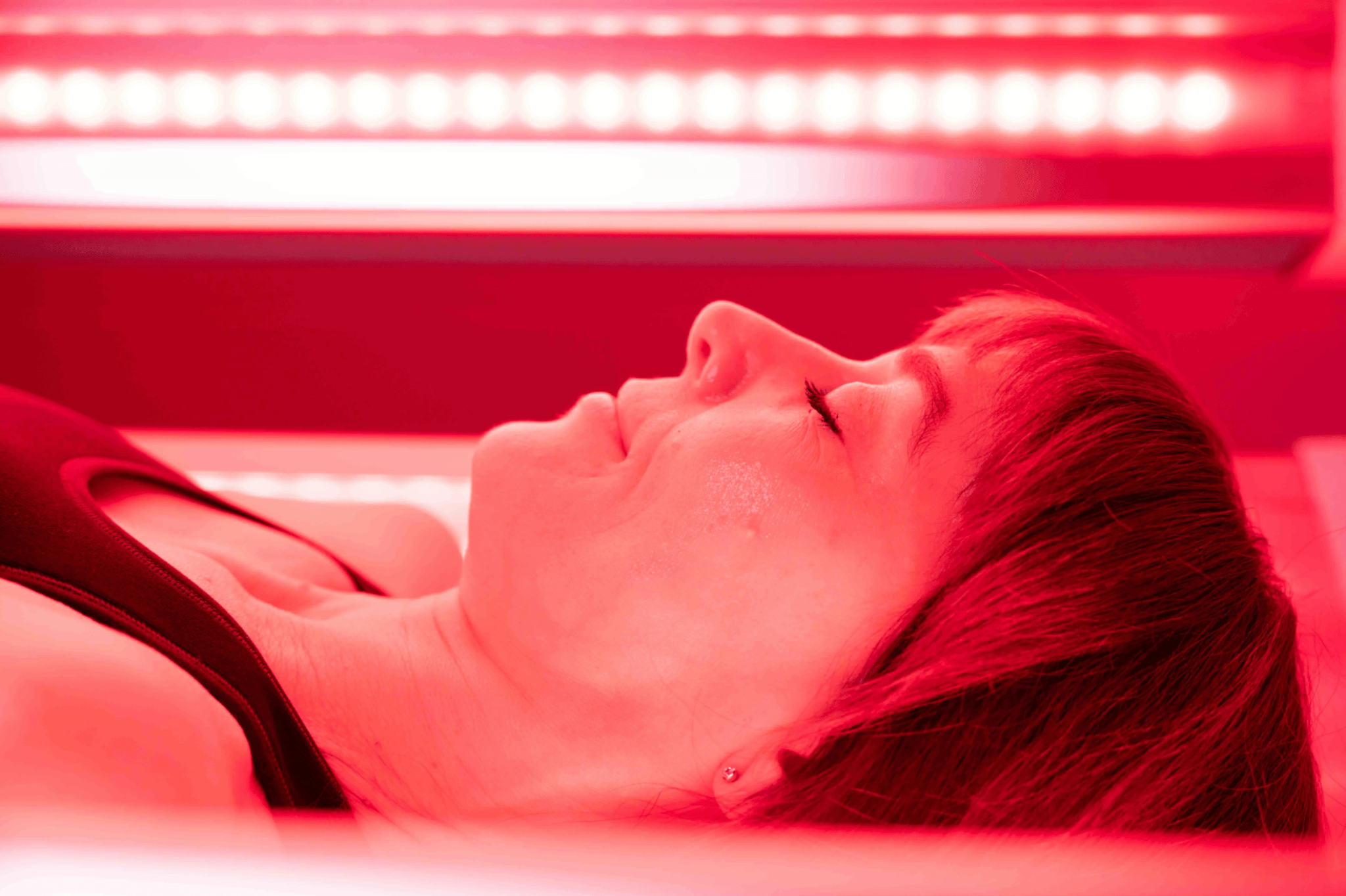
Red Light Therapy uses specific wavelengths of light and is increasingly incorporated into wellness and skincare routines.
Many people choose it alongside their existing skincare regime and healthy lifestyle habits as part of a wider approach to skin health.
IV Nutrient Therapy FOR SKIN HEALTH
Nutrition plays an important role in skin health. While a balanced diet remains the foundation, some individuals choose to explore IV Nutrient Therapy as part of their wider wellness routine.
IV Nutrient Therapy is available following consultation and suitability assessment.
HBOT FOR SKIN HEALTH
Hyperbaric Oxygen Therapy (HBOT) has become increasingly discussed within the longevity and skin health space, with entrepreneur Bryan Johnson describing it as one of the highest-value therapies within his personal wellness routine and noting improvements in skin quality during his self-tracked protocol. These are personal observations and should not be interpreted as expected outcomes.
skin health therapies at Biowell health
Our Skin Health service takes a holistic approach, recognising that skin health can be influenced by a range of lifestyle, environmental and wellbeing factors.